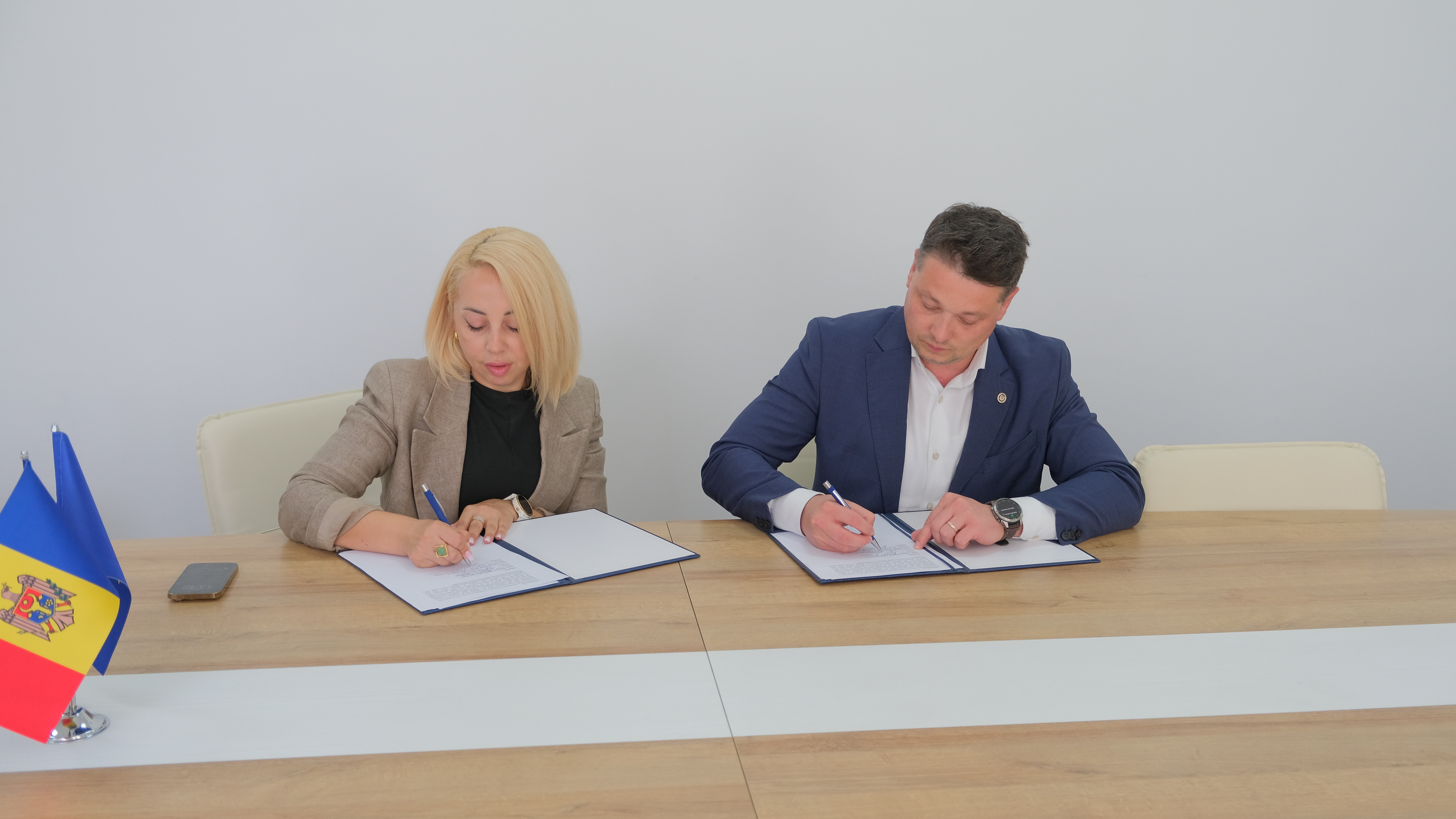
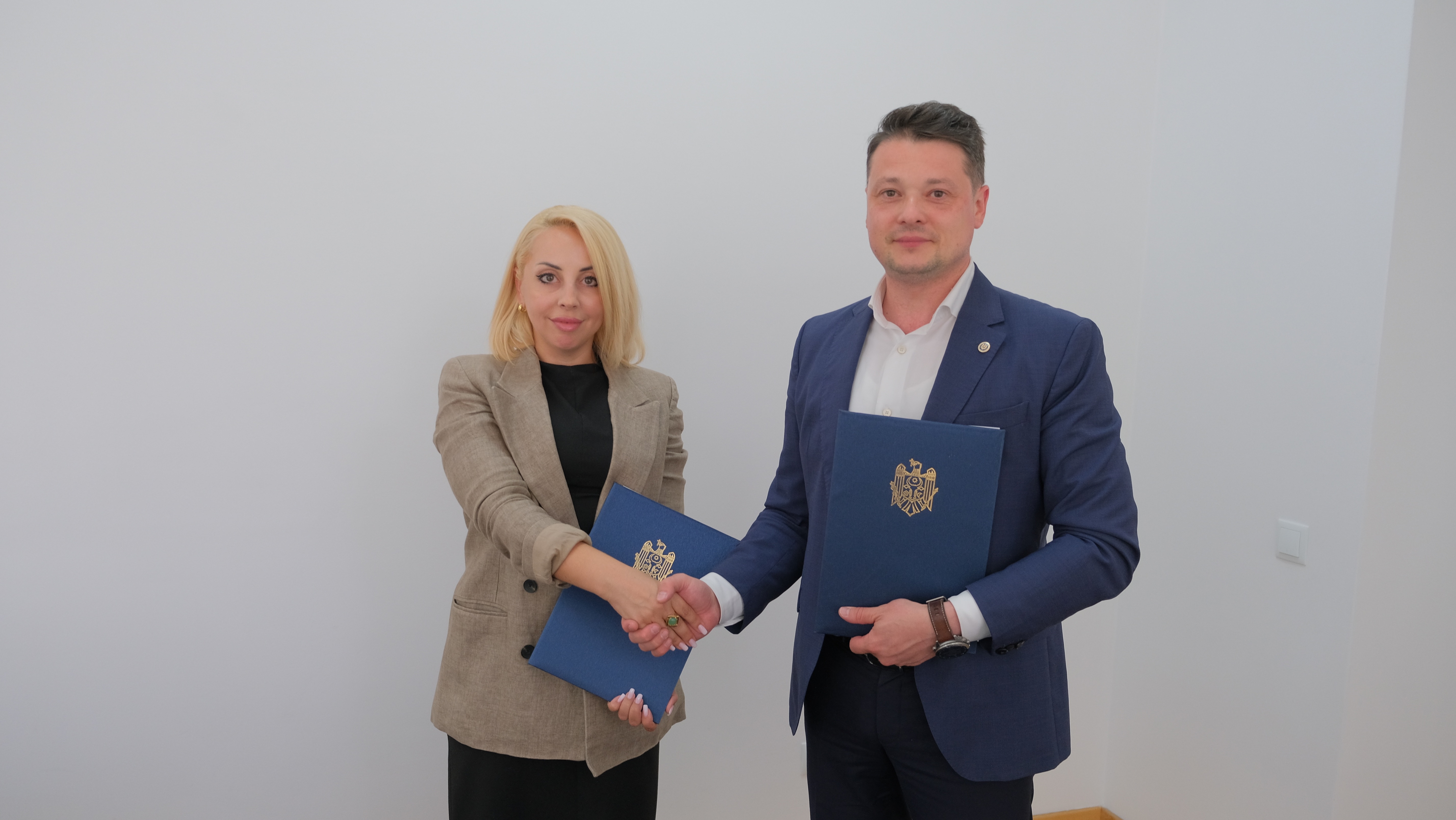
An important step for the development of palliative care services in the Republic of Moldova was made on August 25, 2026, with the signing of the Memorandum of Understanding on the construction of the first palliative care hospital in the country, that will offer its services free of charge to adults and children in need of specialized care.
The Memorandum was signed by the Minister of Health, Alexandru Gasnaș, and the Executive Director of Hospices of Hope Moldova, Veronica Dragnev-Sacara. The future hospital will provide specialized care to adults and children with advanced-stage incurable illnesses, including those diagnosed with oncological diseases.
The hospital will have 26 inpatient beds: 20 for adults and 6 for children, and will provide medical services, as well as psychological, social and emotional support for patients and their families.
"The development of palliative care is a priority for the Ministry of Health, and the signing of this Memorandum represents an important step in consolidating and diversifying the services available to patients and their families. A modern hospice means not only medical care, but also psychological, social and emotional support, so that patients benefit from care in conditions of comfort and dignity," said the Minister of Health, Alexandru Gasnaș.
In addition to the medical component, the new hospital will also have a significant educational component. It will contribute to the training of medical students and specialists in the field of palliative care, in collaboration with the State University of Medicine and Pharmacy "Nicolae Testemițanu".
The project is based on the experience gained by Hospices of Hope in developing palliative care services in South-Eastern Europe. In the Republic of Moldova, the organization has been active since 2008 and offers free palliative care services both in patients’ homes and through its centres in Chisinau, Orhei, Soroca, Balti, Ocnița and Taraclia.
The construction of this hospital represents a major step towards a system in which patients with incurable diseases, including children,can access specialised, free-of-charge care and live with dignity and without unnecessary pain. Their families will also receive the support they need during an extremely difficult period.
Because sometimes, when healing is no longer possible,care remains. And access to this care is a fundamental right, not a privilege.